
What does the roofing process involve?
A roofing project is more than removing old shingles and installing new ones. It typically includes inspection, planning, material delivery, preparation, removal, repairs, installation, cleanup, and a final review.
For homeowners in Johnson City, NY, the process also needs to account for seasonal weather, freeze-thaw cycles, snow, ice, wind, and older housing construction. Each roof has its own condition, so the exact steps can vary.
How does the process begin?
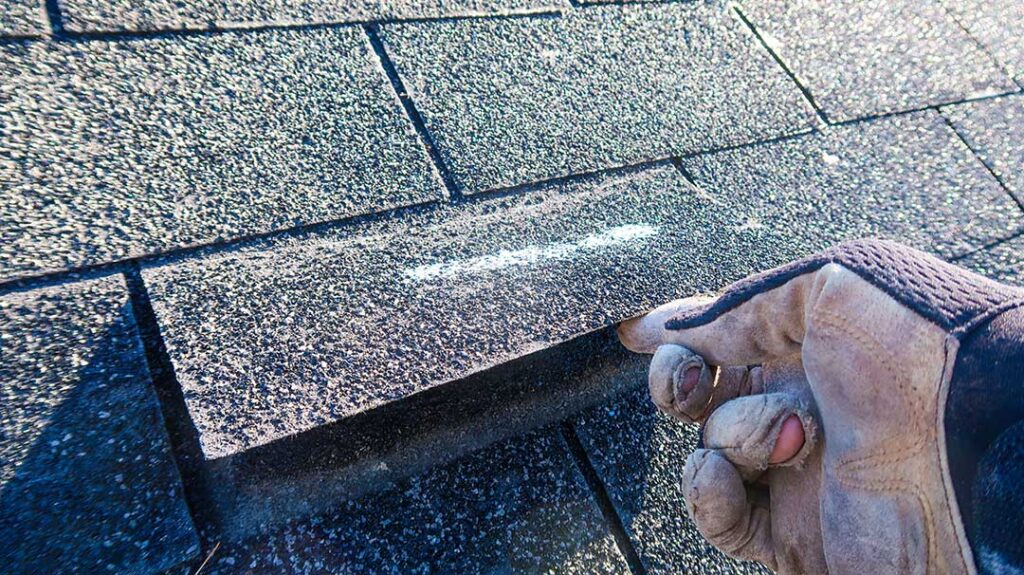
The first step is a roof assessment. The visible roof covering is inspected for problems such as:
- Curling, cracked, missing, or loose shingles
- Exposed fasteners
- Damaged flashing around chimneys, vents, and roof edges
- Sagging areas
- Moss or algae growth
- Water stains in the attic or upper ceilings
- Blocked or poorly draining valleys and gutters
A roof can appear acceptable from the ground while having hidden damage beneath the surface. An attic inspection may reveal damp insulation, mold-like growth, daylight through the roof deck, or inadequate ventilation.
The assessment should distinguish between a repairable problem and a roof that has reached the end of its service life. A small flashing failure may not require complete replacement, while widespread granule loss, repeated leaks, or deteriorated decking may indicate a larger project.
What is decided during planning?
Planning determines how the work will be performed and what materials are appropriate. Important considerations include the roof’s slope, age, existing layers, ventilation, drainage, and the condition of the underlying deck.
The roofing material is only one part of the assembly. A typical roof may include:
- Structural roof framing
- Roof sheathing or decking
- Underlayment
- Ice-barrier protection in applicable areas
- Shingles, metal panels, or another roof covering
- Flashing around penetrations and transitions
- Ridge, soffit, or other ventilation components
Homes with steep slopes, multiple roof sections, dormers, valleys, or attached porches require more detailed planning. Older houses may also have uneven roof lines or previous repairs that affect the installation.
In New York, roofing work must follow applicable state building-code requirements. Permit requirements can depend on the scope of work and local enforcement procedures, so property owners should verify requirements before work begins.
What happens before the old roof is removed?
Preparation protects the property and makes the work area safer. This may include covering landscaping, siding, windows, decks, and nearby surfaces. Materials and waste containers are positioned so that workers can move safely without blocking necessary access.
Weather is a significant planning factor in the Southern Tier. Roofing materials generally need suitable temperatures and dry conditions for proper handling and sealing. Rain, wet surfaces, high winds, and winter conditions can delay portions of a project.
Roofing work should never proceed during unsafe conditions. Wet roofs are slippery, and snow or ice can create fall hazards. Cold weather may also affect how certain materials seal or adhere.
How is the existing roofing removed?
During tear-off, the old roof covering is removed down to the roof deck when the project calls for a full replacement. Old flashing, underlayment, and damaged accessories may also be removed.
This stage can be noisy and can produce falling debris. It is normal to hear movement on the roof and around exterior walls, but excessive structural movement or unexpected sagging should be investigated.
Once the roof covering is removed, the decking becomes easier to evaluate. Soft, swollen, cracked, or rotted sections may need replacement before the new roof is installed. Covering damaged decking can leave an unstable base and may allow leaks to continue.
Why are underlayment and flashing important?
Underlayment provides a secondary layer of moisture protection beneath the roof covering. It becomes especially important at areas exposed to wind-driven rain, melting snow, and ice buildup.
Flashing directs water away from vulnerable joints. It is commonly used around:
- Chimneys
- Plumbing vents
- Skylights
- Valleys
- Wall intersections
- Roof edges
- Dormers
- Changes in roof direction or slope

Many roof leaks begin at transitions rather than in the middle of a shingle field. New shingles cannot compensate for improperly installed or deteriorated flashing.
Ice-barrier protection is also a consideration in cold-climate areas. Ice can form along roof edges when warm attic air melts snow higher on the roof and the water refreezes near the eaves. Proper insulation, ventilation, drainage, and protective underlayment work together to reduce related problems.
How are the new roofing materials installed?
Installation usually begins at the lower roof edges and progresses upward. The layout must account for exposure, alignment, fastening, roof penetrations, valleys, and transitions between different roof sections.
Shingles need to be fastened in the correct locations and quantity. Metal roofing and other materials have their own attachment and overlap requirements. Manufacturer instructions matter because an otherwise attractive installation can perform poorly if fasteners, spacing, or overlaps are incorrect.
Ventilation is addressed during this stage as well. A roof system generally performs better when air can move through the attic in a controlled manner. Ventilation does not replace insulation, and adding a vent without considering intake airflow can produce limited results.
How long does roofing work take?
A straightforward roof replacement may take a few working days, but there is no universal timeline. The project may take longer if the roof has multiple sections, hidden deck damage, difficult access, poor weather, or additional work around chimneys and exterior walls.
Material delivery, inspection requirements, waste removal, and weather-related interruptions can also affect the schedule. Homeowners should expect the timeline to change if concealed problems are found after tear-off.
What should be checked after installation?
A final review should confirm that the roof covering is secure and that details around penetrations and edges are complete. Useful items to check include:
- Straight, consistent shingle or panel lines
- Properly finished valleys and roof edges
- Secure flashing around penetrations
- Clear and functional drainage paths
- Properly installed vents
- No exposed or improperly placed fasteners
- Removal of loose roofing debris from the property
An attic check after installation can help identify light entry, disturbed insulation, moisture, or blocked ventilation. After the first significant rain, it is also sensible to look for new ceiling stains, damp attic materials, or water collecting in unusual places.
What maintenance is needed afterward?
A new roof still benefits from regular observation. Leaves, branches, moss, and standing debris can hold moisture against roofing materials. Gutters and downspouts should remain clear so water can drain away from the roof and foundation.
After strong wind, heavy snow, or ice storms, residents should look for missing materials, bent flashing, fallen branches, and clogged drainage. Climbing onto the roof is unnecessary and can be dangerous. Ground-level observation and an attic check are safer first steps.
The roofing process is complete only when the roof covering, drainage, flashing, ventilation, and underlying structure work together. Understanding those parts makes it easier to recognize quality workmanship, identify warning signs, and plan responsibly for the weather conditions common to local homes.
