
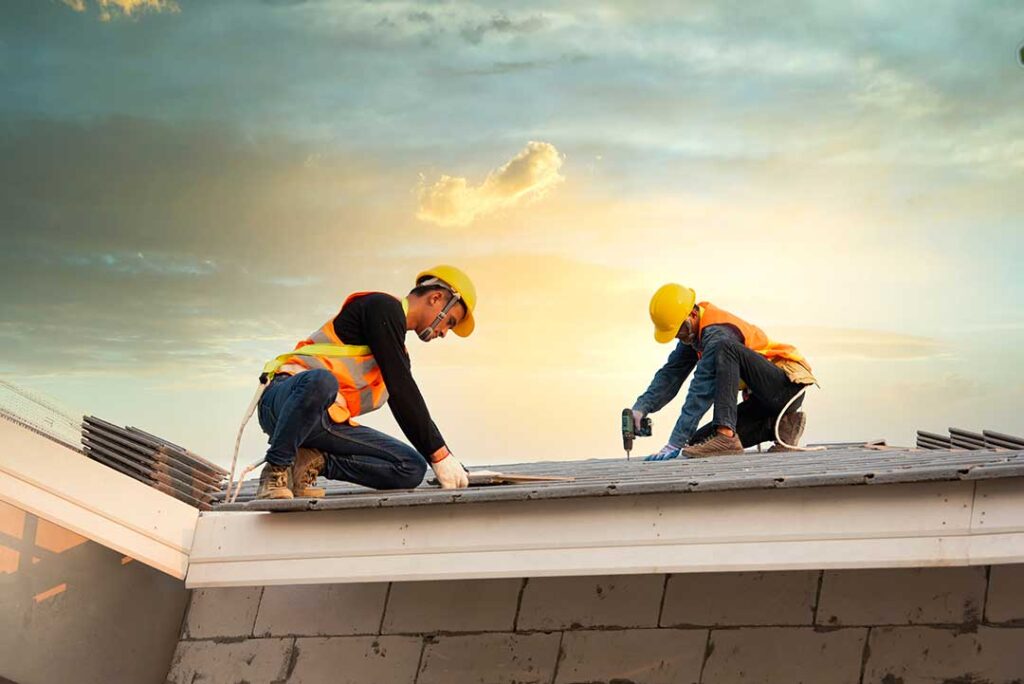
Why Would Someone Need to Walk on Their Roof?
Sometimes, homeowners need to access their roofs for reasons like clearing debris, checking for leaks, cleaning gutters, or making minor repairs. In Johnson City, NY, seasonal weather can make roofs slippery in winter and leave organic debris scattered after spring and fall storms. Tackling these tasks safely requires preparation and awareness of local roof types and conditions.
What Roof Risks Should Residents Be Aware Of?
Walking on a roof can involve more hazards than most people assume. The risks increase with steep slopes, wet or mossy surfaces, old shingles, and during or after winter weather common in the city. Even a seemingly minor slip can lead to serious injuries or property damage.
Key hazards include:
- Slippery conditions from rain, dew, moss, or ice
- Fragile shingles (especially asphalt or slate after freeze-thaw cycles)
- Loose debris, such as leaves or twigs from local trees
- Steep pitches or multiple roof levels on some area homes
Local homes often feature asphalt shingles, which may lose granules and become slick or brittle over time, especially after harsh Johnson City winters.
How Should Area Residents Prepare Before Stepping onto the Roof?
Preparation is essential for safety. Before attempting to walk on a roof:
- Wait for a dry, mild day (avoid the roof during rain, snow, or windy conditions)
- Inspect visually from the ground for obvious hazards such as ice, moss, or damaged spots
- Wear shoes or boots with soft, non-slip soles
- Dress in fitted clothing that won’t snag or catch
Clear the area below in case any tools or debris fall. If you’re in doubt about roof stability or weather conditions, don’t proceed—unsafe roofs are reasonably common in older neighborhoods around Johnson City.
What Equipment and Footwear Are Safest for Walking on a Roof?
Using the right equipment can significantly reduce your risk of slipping or falling. For basic tasks on a low-slope, residential roof:
- Choose footwear with rubber soles and excellent grip (avoid hard-soled shoes or sandals)
- Use a sturdy, properly positioned ladder with non-slip feet; secure the ladder if possible
- Bring gloves for traction and to protect your hands from rough shingles or debris
Consider using a safety harness if the slope is moderate or higher, or if the roof is more than one story off the ground. Even for one-story homes, a harness clipped to a secure anchor point adds important peace of mind.
Are There Roof Types in Johnson City That Are More Dangerous to Walk On?
Yes—certain roofs common in the city’s neighborhoods present heightened risks. Examples:
- Steep-pitched or multiple-level roofs, typical in some older homes
- Metal roofs, which are extremely slippery even when dry
- Wood shake roofs, which can become mossy and slick in damp environments
- Aging shingle roofs that may have soft spots from water damage after repeated winters
If your home fits any of these categories or you suspect rot, always inspect from the ladder first or from an upper window.
Which Weather Conditions in the City Worsen Roof Safety?
Weather plays a big role in safety. Avoid venturing onto the roof during:
- Winter ice or recent snowfall, which can hide slick, brittle, or unstable areas
- Early morning dew, especially during spring and fall seasons
- Wet, mossy conditions common in shaded yards
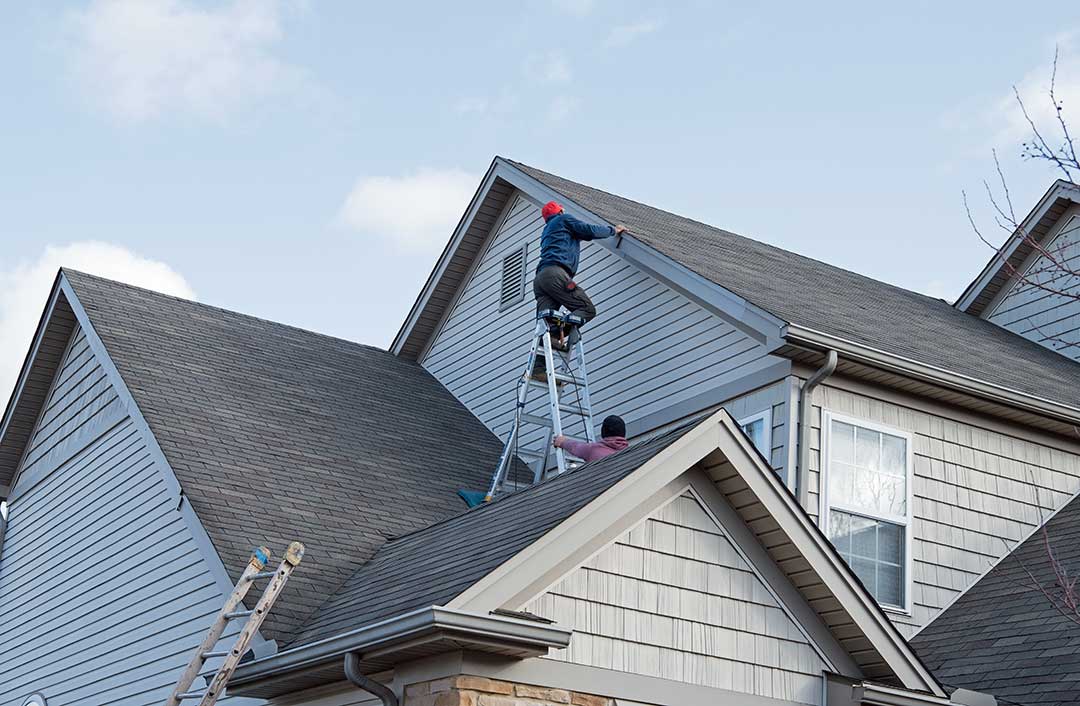
Rapid temperature swings can also loosen shingles, making them less secure underfoot during early spring or late fall in Johnson City.
What Steps Help You Stay Stable While Walking on a Roof?
Once on the roof, how you move matters as much as what you wear.
- Keep your center of gravity low by crouching slightly or crawling if needed
- Step only on areas that appear flat, solid, and free of visible damage
- Walk perpendicular to the roof’s slope when possible, and keep movements slow and deliberate
- Avoid stepping near the edges or on overhanging eaves
Move tools and supplies cautiously—never toss or drag anything, as this can damage shingles or cause you to lose your balance.
Are There Common Mistakes to Avoid?
Area residents sometimes underestimate just how unstable or fragile a roof can be, especially after harsh winters. Common errors include:
- Rushing the job or carrying too much at once
- Not checking for soft spots or spongy areas before shifting weight
- Wearing shoes without real grip
- Working alone without anyone aware of your location
If you’re working alone, always let someone know you’ll be on the roof and keep a phone within reach.
What Are Safer Alternatives to Walking Directly on the Roof?
Sometimes, accessing problem areas from a well-placed ladder or using a telescoping pole tool is safer than walking directly on the surface. Cleaning gutters, for example, can often be done entirely from the ladder if it’s placed securely.
For removing debris or inspecting for leaks, binoculars, camera drones, or phones with a zoom lens can provide a close-up view without leaving the ground.
When Should Residents Avoid the Roof Altogether?
If there’s visible sagging, extensive ice buildup, evidence of rot, or you feel uncertain about any step, avoid climbing onto the roof. In these situations, exposure to harm outweighs any DIY benefit. Proper caution is especially important for older homes or after significant storms, which occasionally impact the area.
