
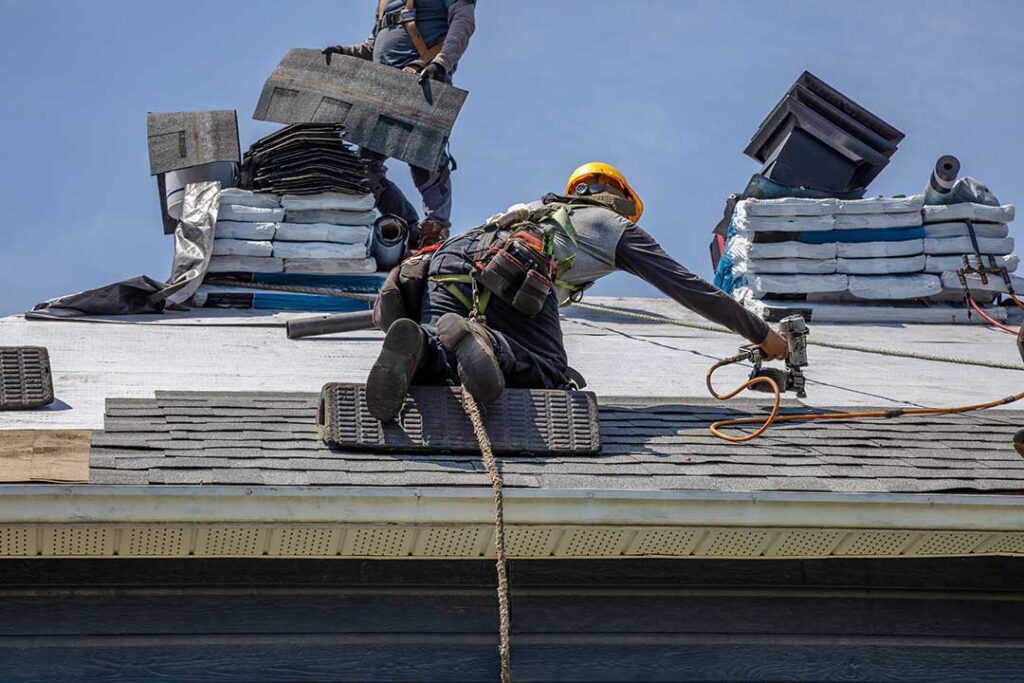
What Are the Immediate Warning Signs of a Poor Roof Installation?
Some problems with roof installation can be seen right away, even before the first winter snow or summer storm. Shingles that look uneven, misaligned, or have varying colors across the roof may be an indicator the materials were not installed carefully or according to manufacturer guidelines. You might also spot exposed nails, loose roofing components, or flashing that isn’t lying flat. If the roof deck appears wavy or feels soft in areas when walked on (something to be careful with), it could mean underlayment or sheathing wasn’t handled properly.
Why Does Shoddy Roof Installation Lead to Leaks and Water Damage?
A roof acts as the main barrier against rain and melting snow. Improperly installed flashing—especially around chimneys, vents, or skylights—often becomes the leading source of leaks in the area. Water intrusion could show up as ceiling stains, peeling paint, or persistent attic moisture. Even small gaps or poorly secured roof valleys allow water to seep underneath shingles during heavy precipitation or freeze-thaw cycles typical to Johnson City. Over time, this may result in rotted wood, mold, and costly repair needs in the living spaces below.
How Do Seasonal Changes in Johnson City Make Flaws More Noticeable?
The local climate plays a big role in revealing installation faults. Heavy snow loads and ice dams can exploit weak roof seams during winter, while high winds and driving rain in spring and fall quickly identify roof sections that aren’t properly secured. Inconsistencies in shingle pattern, missing roof vents, or clogged gutters are easy to overlook in mild weather but become a problem when the seasons change suddenly. Residents who notice leaks only during snowmelt or after summer thunderstorms should look for subtle installation gaps or misplaced flashing.
Are Ventilation and Insulation Issues Linked to Installation Problems?
Proper attic ventilation and insulation are critical for roof longevity—something that’s sometimes mishandled by inexperienced installers. Inadequate vent openings, blocked soffit vents, or patchy insulation can trap moisture and heat. This speeds up shingle aging and leads to higher energy bills for homes in Johnson City. Warning signs include unusually hot attics in summer, persistent ice at the eaves during winter, or unexplained mildew smells. An evaluation of roof vents and attic airflow will often expose shortcuts taken during installation.
What Are Common but Overlooked Red Flags After a New Roof Is Installed?
Many problems don’t catch residents’ attention until months—or even years—after the job is done. These may include:
- Shingles curling, buckling, or lifting, sometimes after just one winter
- Granule loss that’s excessive or uneven, visible in gutters or around downspouts
- Dripping sounds in attic spaces after rainstorm events, but with no obvious roof holes
- Bubbles, cracks, or separations in sealant used for flashing or roof penetrations
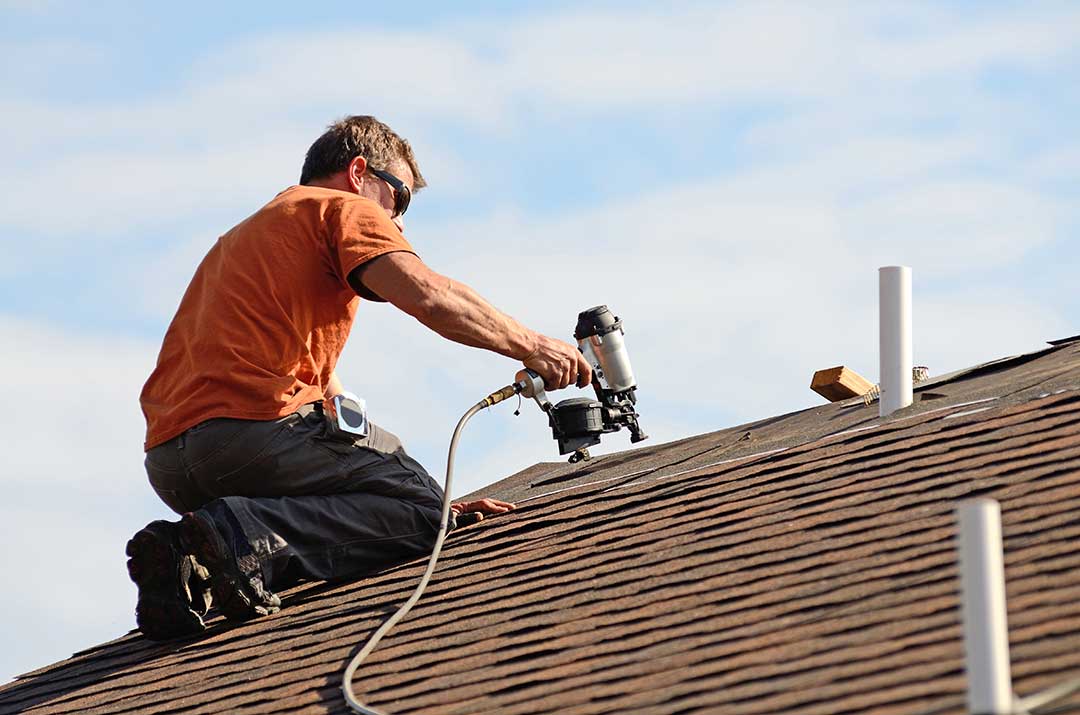
Residents might mistakenly blame materials or weather when, in reality, the underlying cause is rushed or unsupervised installation work.
Can Improper Roof Installation Affect Home Insurance or Warranty?
Home insurance and manufacturer warranties often require that roofs are installed “according to standards.” If an inspection finds that a roof wasn’t put on correctly, future claims—especially those related to leaks or storm damage—may be reduced or denied. Local residents should keep documentation of roof work, know what’s covered by product warranties, and understand that some visible flaws (like exposed fasteners or unsupported overhangs) can complicate claims if left unaddressed.
How Can Residents Distinguish Between Normal Wear and Installation Errors?
Roofs naturally age due to sunlight, wind, and shifting temperatures, but installation mistakes have a unique appearance. For example, while most roofs lose some granules over time, large bald patches on newer shingles suggest poor bonding or incorrect nailing methods. Likewise, discoloration or streaks that form soon after installation can point to underlying water movement, not just regular weathering. Residents should look for uniformity in shingle color and layout—random changes or repeated repair patches are usually a signal of installation-related trouble.
Why Is Local Knowledge Valuable When Assessing Roof Issues?
Understanding how building styles, weather conditions, and maintenance routines in Johnson City influence roof performance can help area residents spot problems sooner. For example, steeper roofs may shed snow easily but are more sensitive to improper shingle alignment. Flat or low-slope roofs common on garages or additions can reveal pooling or ice buildup if drains are not properly installed. Recognizing these factors helps the community develop a better eye for issues potentially caused by poor installation, rather than just harsh climate alone.
