
What Causes Roof Stains in Johnson City, NY?
Roof stains are common for many homeowners across the region, often appearing as black streaks or greenish patches. The most frequent cause of dark stains on asphalt shingles is a type of blue-green algae called Gloeocapsa magma, which thrives in humid climates like that of Johnson City. In addition to algae, other sources of staining include:
- Moss, often a result of shade and excess moisture
- Lichen, which can grow where moss and algae are present
- General dirt and environmental debris
- Rust and mineral deposits from flashing or hardware
Local weather patterns—cool, damp springs and humid summers—create conditions where these organisms can establish on rooftops. Trees that overhang houses, common in many neighborhoods, can also contribute shade and organic matter, both promoting growth.
Are Roof Stains Harmful?
For the most part, stains themselves are not immediately harmful to the roofing material. However, over time:
- Algae can retain moisture, leading to accelerated shingle wear in wet climates.
- Moss can lift shingles, making it easier for water to intrude and possibly lead to leaks.
- Lichen, with its rootlike structure, may cause some surface shingle damage.
While the aesthetics of stains are often the main concern for households, significant and untreated growths can shorten the life span of a roof, particularly if moisture becomes trapped beneath shingles. Left unmanaged, what starts as a cosmetic issue could eventually contribute to roof damage.
How Can Residents Safely Remove Roof Stains?
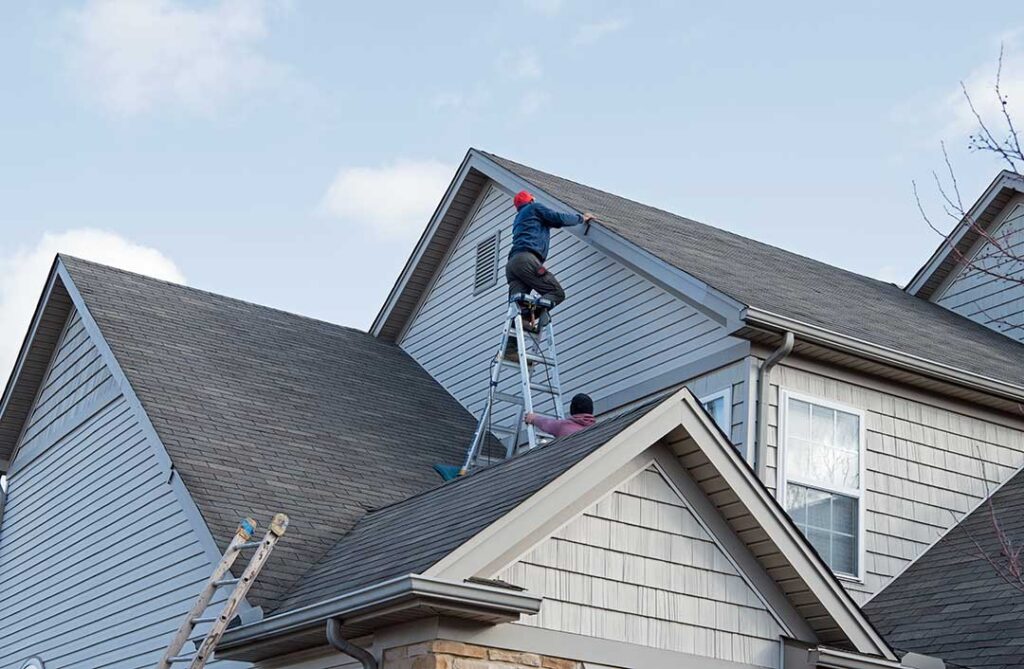
Cleaning a stained roof can restore curb appeal and prevent long-term issues, but safety precautions are crucial. Direct access to rooftops increases the risk of falls, especially in the sloped designs common in the city. If accessing the roof isn’t safe, stained areas may be visible and somewhat approachable from ladders or extension poles.
For those comfortable with careful cleaning, here’s a step-by-step overview:
- Use a soft-bristle brush attached to an extension pole and a garden hose rather than a pressure washer, which can erode shingle granules.
- Prepare a solution of water and oxygen-based bleach. Avoid chlorine bleach, which can damage vegetation and corrode metal fixtures.
- Gently scrub any stained area with the solution, letting it sit for 10-15 minutes.
- Rinse thoroughly with plain water, ensuring runoff is directed away from sensitive landscaping.
- Work on cool, overcast days to prevent the cleaner from evaporating before taking effect and avoid walking on a hot roof, which increases slip risks.
Never use abrasive tools, as these will reduce the life span of asphalt shingles.
What Prevents Roof Stains in the First Place?
Prevention helps reduce how often roof cleaning is needed. In humid regions such as Johnson City, these proactive tips can slow the return of stains:
- Trim back branches to allow plenty of sunlight and airflow, which slows moss and algae growth.
- Keep gutters and downspouts free of leaves and debris to prevent moisture buildup near the roof edge.
- Install copper or zinc strips near the roof ridge; rain will wash small amounts of metal down the roof, which discourages algae and moss without harming plants below.
- Clear off leaves, twigs, and seed pods each spring and fall, especially in lots bordered by mature trees.
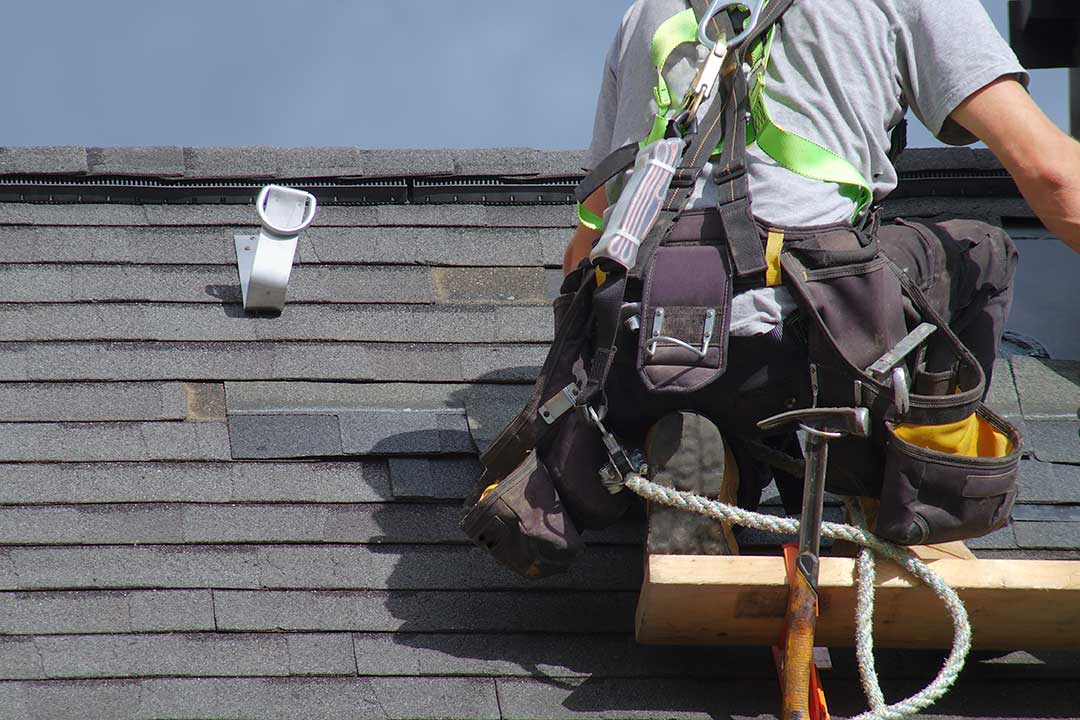
Some newer shingles are manufactured with algae-resistant properties, but many area homes have older or standard asphalt shingles. These tips are especially valuable for roofs that do not already include a built-in defense.
Can Seasonal Weather Impact Roof Stain Frequency?
Seasonal cycles play a significant role in the appearance and severity of staining around the city. The shift from cold, snowy winters to wet, mild springs, followed by hot and humid summers, offers an environment where algae, moss, and lichen can flourish if unchecked. Roofs that remain damp or receive little sunlight after a winter’s snow melt are more likely to develop black streaks or greenish tufts as the season turns.
Homeowners often notice staining becomes more prominent after extended rain or during late summer, when shade and humidity are at their peak, especially on the north- and east-facing sections of roofs.
Do Roof Stains Affect Home Value or Insurance?
Cosmetic stains alone typically do not influence property assessments or insurance claims. However, widespread growth and evidence of roof neglect can raise questions during real estate transactions or insurance inspections. Insurers generally want to see that roofs are maintained, dry, and free from signs of progressive damage. Regular cleaning and documentation of roof care can help ease concerns if questions arise during a sale or policy renewal.
Are There Safety or Environmental Concerns?
Roof cleaning in Johnson City can affect the immediate environment. Runoff from cleaning solutions has the potential to harm plants, soil, or waterways if not managed correctly. Using low-toxicity, biodegradable cleaners is always preferable. Residents should also ensure they:
- Shield landscaping beneath the roof edge during cleaning
- Direct rinse water safely
- Never allow runoff to drain directly into storm sewers
If the roof is steep, wet, icy, or has fragile or deteriorated shingles, it may be safer to avoid climbing altogether and focus on preventive ground-level measures.
What Are Common Myths About Roof Stains?
Several misconceptions circulate in the community, such as the idea that darkening shingles always mean immediate replacement is necessary. In reality, most roof stains are primarily a cosmetic concern. Pressure washing is another myth; while it can appear effective, it strips granules from shingles and can void warranties on newer roofs.
There’s also a persistent belief that any chemical will solve the problem—however, corrosive cleaners can cause more harm than good to the roof and vegetation below.
Understanding these misconceptions helps local households make informed decisions and avoid unnecessary damage or costs.
