

Why Should Local Homeowners Protect Their Roof During Renovations?
Protecting a roof during renovation helps prevent water damage, structural problems, and unnecessary repairs. Construction activities—from replacing windows to adding dormers—can unintentionally harm roofing materials, especially in an area like Johnson City, NY where seasonal weather changes add extra risk. Even minor disruptions may shorten the life of shingles, damage underlayment, or allow debris to block drainage systems.
Without prevention, local homes risk:
- Water intrusion from accidental punctures, loose flashing, or exposed deck surfaces
- Broken or dislodged shingles caused by ladders, falling roofing materials, or mismanaged equipment
- Clogged gutters and downspouts from construction debris
- Unexpected roof leaks during sudden rain or snow events
A little planning provides peace of mind and protects one of the most valuable components of any home.
What Kinds of Renovations Pose the Biggest Risks to Roofs?
Roof structures are most exposed when renovations involve structural changes, exterior work, or require access to the roof. Renovations with heightened risk in Johnson City include:
- Window or skylight installations/upgrades, especially if they penetrate the roof deck
- Chimney repairs, repointing, or removal
- Attic conversions or additions that change roof framing
- Gutter or fascia replacement
- Adding solar panels or satellite dishes
- Replacing siding near the roofline
Even interior work creates risks when heavy materials are lifted near roof supports or attic spaces, where dust and debris can find their way into ventilation systems or insulation if not contained.
How Can Weather in Johnson City Affect Roof Protection During Renovations?
The local climate features all four seasons, with cold, snowy winters and humid, rainy springs and summers. These conditions pose unique challenges during renovation.
- Sudden snow or rain can uncover vulnerabilities if roof coverings or flashings are temporarily removed or disturbed.
- Freeze-thaw cycles may exacerbate leaks in lightly protected or damaged areas.
- High humidity and rainfall can seep in through exposed roof openings or poorly covered materials.
- Gusty winds may displace tarps or covering materials.
Checking the weather forecast and preparing for local conditions is a vital step before any significant renovation project.
What Are Practical Steps to Shield the Roof Before and During Renovation?
Effective roof protection involves planning, proper installation of temporary barriers, and careful handling of materials:
*Inspect and Document*: Before work starts, inspect the roof—inside and out—and photograph conditions. This can highlight pre-existing issues and offer proof if accidental damage occurs.
*Plan with Contractors or Helpers*: Share concerns about the roof, and request that ladders, scaffolding, and equipment be kept away from vulnerable areas like eaves, valleys, or previously patched spots.
*Use Protective Coverings*: For projects affecting the roof directly or indirectly:
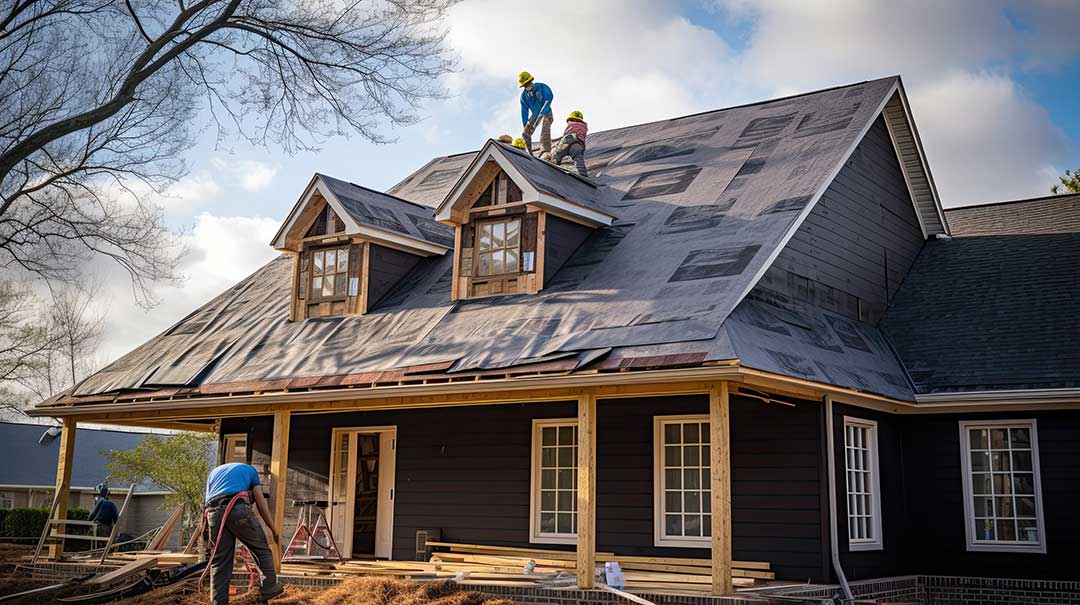
- Apply heavy-duty, waterproof tarps over exposed sections. Secure tarps tightly, especially if wind or rain are in the forecast.
- Use plywood sheets to create walkways or shield fragile shingles from foot traffic and dropped tools.
- Install temporary flashing or rubber membrane around openings (skylights, chimneys) being worked on—a common technique known in the region for added protection during extended construction.
*Gutter and Downspout Care*: Ensure gutters are cleared before and after renovation. Any blockage can quickly cause backup and overflow, especially after local rainstorms.
*Check for Debris*: Frequently clear off roofing debris (nails, fasteners, old shingles) and keep the area around the house tidy to prevent falling objects from becoming a hazard.
Are There Common Mistakes to Avoid When Working Near Roofs?
Missteps can undermine efforts to protect the roof:
- Skipping pre-work inspection, missing existing weak spots
- Using nails or fasteners that puncture shingles or underlayment
- Tightly covering the roof with plastic sheeting during hot days, which can overheat shingles or trap moisture underneath
- Underestimating the impact of wind, especially in open or elevated parts of Johnson City, causing tarps or boards to shift
- Failing to check gutters after each day of work
- Not considering local building regulations about permissible work hours, debris management, or waste disposal
Homeowners sometimes assume renovation crews automatically safeguard the roof; communicating expectations and monitoring progress protects everyone involved.
What Should Residents Do If Damage Occurs?
If the roof is damaged during renovations, householders should take prompt, practical steps:
- Cover the affected area with a waterproof tarp to stave off water entry until repairs can be made
- Take clear photos to document new damage, which may help with insurance or redress from renovation contractors
- Inspect the attic or upper rooms for early signs of leakage, especially after a rain or snow event
In Johnson City, significant weather swings can worsen small problems rapidly. Addressing even minor roof punctures or leaks quickly protects interiors from larger issues, especially in older homes with aging roof systems.
How Can Local Conditions Influence Roof Longevity When Renovating?
Roofs in Johnson City experience ice dams, wind-blown debris, leaf piles, and heavy snow loads. During renovations, respecting these local patterns can make a noticeable difference:
- Schedule roof-related work for drier months (late spring or early fall) to avoid surprise storms
- Be aware of ice dam potential; never allow insulation debris to block roof vents or eaves
- Use leaf guards or mesh to keep renovation materials from clogging gutters in wooded neighborhoods
- Consider local wildlife—squirrels, birds, and raccoons may exploit uncovered roof areas
Understanding how climate, surrounding trees, and urban wildlife interact with the roof helps residents tailor protection strategies for their homes.
