
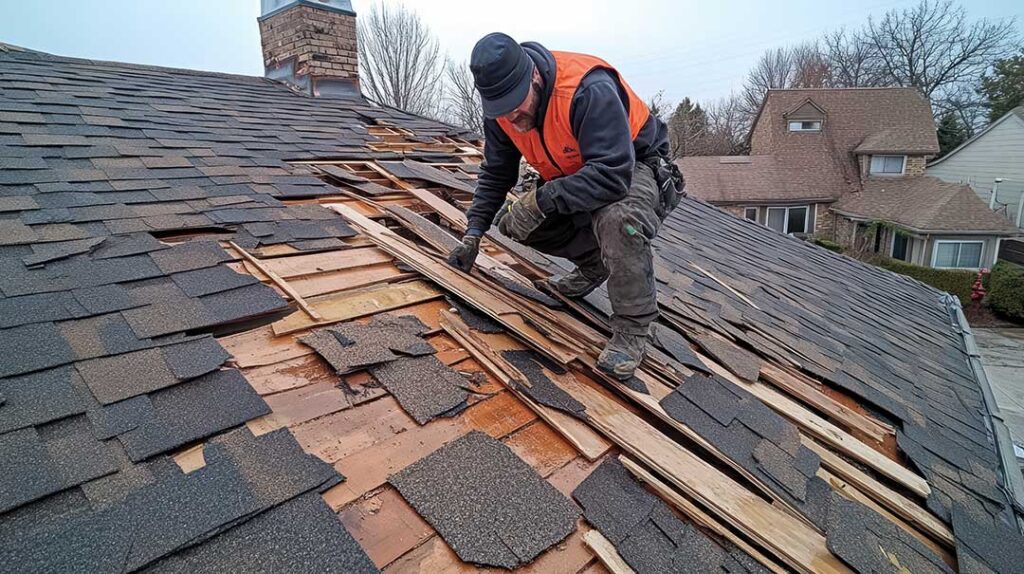
Roof work can sometimes be handled by a careful homeowner, but only when the task, weather, roof design, and safety equipment are all manageable. In many cases, the safest do-it-yourself work happens from the ground or from a securely positioned ladder—not while walking across the roof.
For residents of Johnson City, NY, seasonal conditions deserve extra attention. Wet spring surfaces, summer heat, autumn debris, and winter ice can quickly turn a simple repair into a fall hazard.
What roof work is usually reasonable to do yourself?
Small, low-risk tasks may be suitable for a capable homeowner who understands the roof system and can work without stepping onto a dangerous surface.
Examples include:
- Cleaning leaves and small debris from gutters while standing on stable ground or a properly positioned ladder
- Replacing a missing gutter screen or fastener
- Inspecting visible flashing and shingles from the ground
- Removing a small branch from a roof edge without climbing onto the roof
- Sealing a minor exposed nail head when the work area is flat, dry, and safely accessible
- Replacing a damaged vent cap if the roof can be reached from a safe work platform
Even these tasks require planning. A ladder should stand on firm, level ground, remain clear of doorways and vehicle traffic, and extend high enough to provide a secure handhold when stepping onto an approved access point.
A useful rule is that DIY roof work should stop before balance, reaching, carrying materials, or climbing becomes the main challenge.
When is it unsafe to work on a roof?
Roof work is unsafe when a fall could occur and there is no reliable system to prevent it or limit its consequences. OSHA identifies falls as a major residential construction hazard and generally requires fall protection for covered work six feet or more above a lower level. ([obis.osha.gov](https://obis.osha.gov/Publications/reducing-falls-during-residential-construction-re-roofing.html?utm_source=openai))
Do not climb onto a roof when:
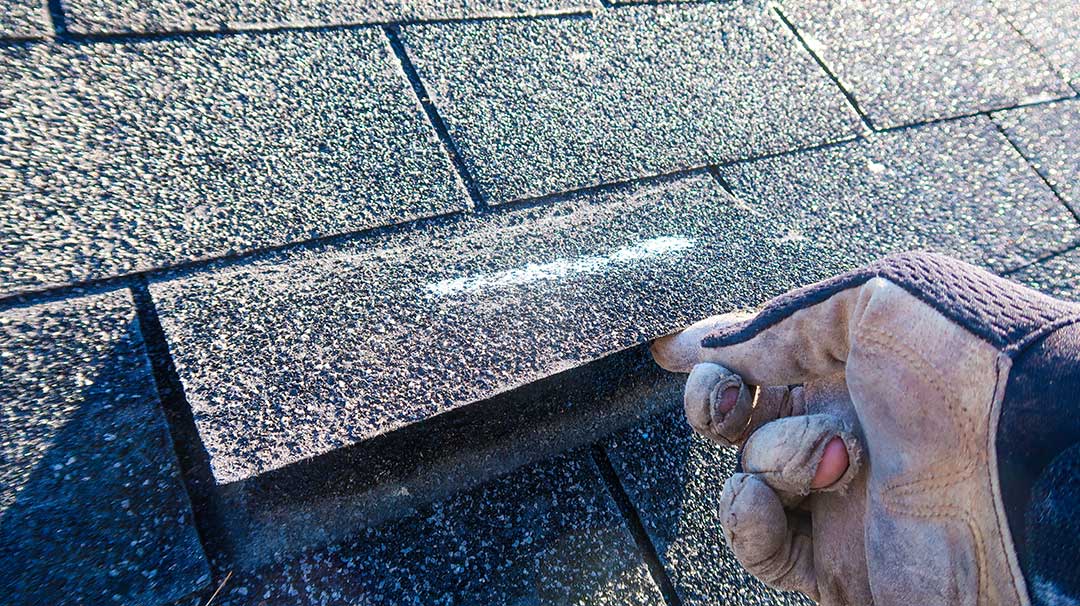
- The surface is wet, icy, frosted, muddy, or covered with loose granules
- Wind makes it difficult to control your body, tools, or roofing materials
- Rain, snow, or lightning is present or approaching
- The roof is steep, unusually tall, or has multiple levels
- You cannot clearly see the roof surface
- The roof has moss, algae, loose shingles, or fragile materials
- You are carrying bulky materials up a ladder
- You feel rushed, tired, dizzy, or uncomfortable with the height
- A skylight, roof opening, dormer, or unprotected edge is nearby
A roof can look dry while retaining moisture in shaded areas. In colder months, a thin layer of frost may be difficult to see but can make asphalt shingles extremely slick.
Does roof pitch determine whether DIY work is safe?
Yes. Roof pitch is one of the most important factors. A low-slope roof may appear easy to walk on, but it can still be hazardous if the surface is wet or the edges are unprotected. A steep roof increases the chance of sliding and makes it harder to stop a fall.
Many homeowners underestimate the effect of pitch because they are familiar with climbing a ladder. Standing on a ladder is not the same as moving across a sloped roof while handling tools, loose shingles, or sealants.
If a task requires roof jacks, scaffolding, a harness, a lifeline, or a specialized anchor system, it is no longer a simple repair project. OSHA guidance emphasizes that fall-protection equipment must be selected, installed, and used correctly; an improvised anchor or ordinary rope is not a dependable substitute. ([osha.gov](https://www.osha.gov/residential-fall-protection/guidance?utm_source=openai))
What weather is safest for roof work in Johnson City, NY?
The safest conditions are dry, calm, moderate, and stable for several hours. Early morning may not be ideal if overnight moisture has left shingles damp. Hot afternoons can also create problems because asphalt shingles become soft and uncomfortable to kneel on.
Before beginning, check for:
- Dry shingles and dry ladder contact points
- Little or no wind
- Temperatures that are comfortable for physical work
- Several hours without rain
- No frost, ice, or melting snow
- Adequate daylight for inspection and cleanup
Local households also need to consider the effects of freeze-thaw cycles. Water can enter small cracks, freeze, expand, and loosen materials. A repair that appears minor may involve hidden damage beneath shingles, flashing, or roof edges.
Avoid using heat sources to melt ice from roofing materials. Open flames, torches, and improvised heating devices can damage shingles, ignite combustible materials, or create dangerous steam and slipping conditions.
Can a ladder make roof work safe?
A ladder improves access but does not automatically make roof work safe. It must be the correct type and height, placed on stable ground, and secured against slipping or shifting. OSHA’s residential fall-protection guidance discusses the need for stable ladders and appropriate systems for elevated work. ([osha.gov](https://www.osha.gov/residential-fall-protection/guidance?utm_source=openai))
Never:
- Place a ladder on snow, ice, loose soil, boxes, or uneven blocks
- Rest it against gutters, plastic trim, or weak roof edges
- Carry long or heavy materials while climbing
- Stand on the top step or highest prohibited rung
- Move the ladder while standing on it
- Work alone when a fall or medical emergency is possible
A second person can stabilize the ladder and call for help, but a person standing below cannot stop a serious fall. Ladder assistance is useful; it is not a replacement for proper fall protection.
Which roof problems should not be DIY projects?
Some conditions require more than surface-level repair knowledge. Avoid attempting the work yourself when the roof has:
- Sagging decking or visible structural movement
- Water damage around ceilings, walls, or attic framing
- Large areas of missing shingles
- Loose or damaged chimney flashing
- Leaking skylights
- Ice dams with interior water damage
- Exposed electrical wiring, damaged service equipment, or nearby utility lines
- Mold, animal entry, or extensive rot
- A roof that is nearing the end of its service life
Roof replacement is particularly unsuitable for most casual DIY attempts. It involves repeated climbing, tear-off, heavy material handling, nail exposure, debris control, weatherproofing details, and fall hazards over a large area. The physical demands increase quickly in warm weather and when materials must be moved across a slope.
How can a homeowner inspect a roof without climbing it?
A ground-level inspection is often the safest first step. Use binoculars to look for curled, cracked, missing, or displaced shingles. Check whether gutters contain excessive granules, leaves, or shingle fragments. Look for damaged flashing, sagging rooflines, stains beneath eaves, and water marks in the attic.
After a storm, inspect from the ground rather than immediately climbing up to investigate. Take photographs from a safe location and note when the damage occurred. If water is entering the home, contain it indoors with a bucket or plastic sheeting only where doing so does not create an electrical or slip hazard.
What is the safest decision rule?
A homeowner should consider DIY roof work only when all of these conditions are true:
- The task is small and clearly understood
- The roof or work area is dry, stable, and low-risk
- Safe access is available
- Materials and tools can be handled without overreaching
- No fall-protection system is needed beyond equipment the user is trained to operate
- Weather will remain suitable
- The work will not disturb structural, electrical, or major waterproofing components
If any of those conditions are uncertain, staying on the ground is the safer choice. Local building requirements may also apply to structural changes, reroofing, or other work, so checking the applicable municipal rules before starting is prudent.
