
What Are Roof Coatings and Why Are They Used?
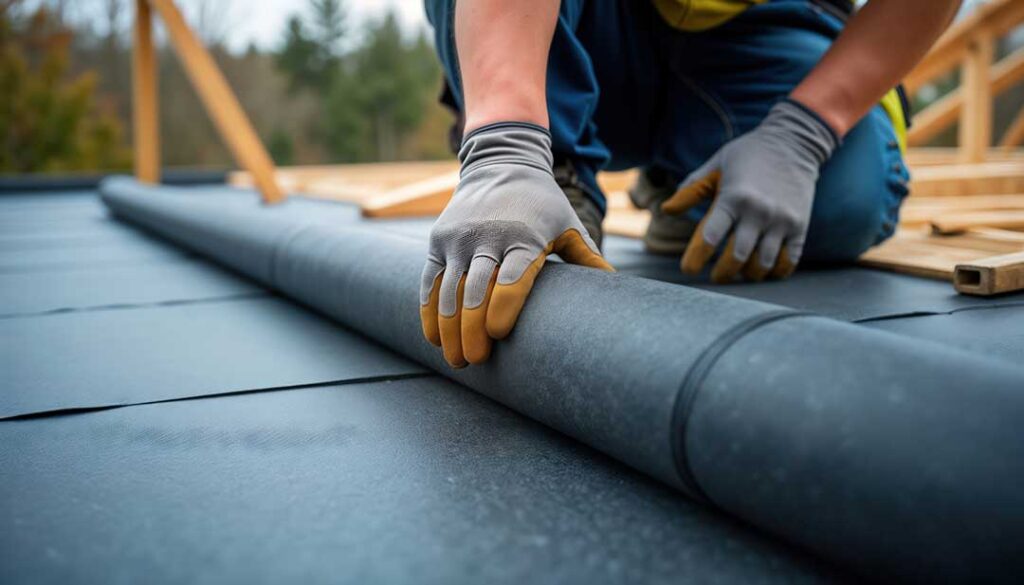
Roof coatings are fluid-applied products designed to protect, restore, or extend the life of a roof. For homes and buildings in Johnson City, NY, these coatings can be especially relevant due to the area’s combination of snowy winters, rainy springs, and humid summers.
Coatings may be acrylic, silicone, asphalt-based, or polyurethane. They are typically applied over existing roofing materials, creating a seamless, waterproof layer that can help prevent leaks, improve energy efficiency, and delay costly full-roof replacements.
How Do Roof Coatings Benefit Area Homes?
Local households may see several advantages from roof coatings, especially given the city’s mid-Atlantic climate.
- Weather Protection: Coatings can create a waterproof barrier, reducing the risk of leaks from heavy rains or melting snow.
- UV Reflection: Many coatings are formulated to reflect sunlight, shedding heat during summer and potentially lowering cooling costs—something appreciated during humid local summers.
- Extended Roof Life: By shielding shingles or flat roofing from the elements and physical wear, coatings can sometimes add years to a roof’s functional lifespan.
- Quick Maintenance: Unlike a full replacement, applying a coating can typically be completed faster and with less household disruption.
- Energy Efficiency: Reflective coatings might help balance attic temperatures, assisting with overall home energy usage.
- Aesthetic Refresh: Elastomeric or colored coatings can give an older roof a more uniform, newer appearance without major construction.
What Are the Limitations or Disadvantages?
Despite their practical benefits, roof coatings are not a cure-all. There are important limitations for area homeowners to consider.
- Not Suitable for Every Roof: Some steeply pitched roofs, particularly those with significant damage, rot, or many missing shingles, may not qualify for coating. Check whether the roof’s current state permits coating as a viable option.
- Temporary Solution: Coatings delay rather than prevent eventual replacement. Severe structural issues (e.g., sagging or widespread rot) need more than surface protection.
- Maintenance Needs: Most coatings require periodic inspection and touch-ups. Local weather—like freeze/thaw cycles or falling tree debris—can shorten a coating’s effective lifespan.
- Limited Warranty: Coating products often carry shorter guarantees compared to new roofing, and improper application can void any coverage.
- Slippery When Wet: Some coatings, especially silicones, can create a slick surface. This may make future roof work more challenging and, in snowy conditions, pose a minor hazard for any rooftop maintenance.
How Long Can a Roof Coating Last in Johnson City?
The lifespan of a roof coating depends on the material used, installation quality, and exposure to local weather. In Johnson City, where winters can be harsh and summers sunny, most coatings last between 5 and 10 years. Acrylic coatings may need reapplication sooner, while silicone-based products sometimes offer greater longevity but are more expensive.
Factors that influence durability include:
- Intensity of sun exposure (UV radiation)
- Frequency of freeze/thaw cycles
- Debris from nearby trees (mulberry, maple, and oak are common locally)
- Quality of initial roof preparation prior to coating
Are Roof Coatings Safe for Asphalt Shingle Roofs?
Many local homeowners wonder whether it’s advisable to apply coatings to asphalt shingle roofs, which are common in the city’s neighborhoods. While some manufacturers offer coatings specifically formulated for shingles, others strongly advise against it, citing potential issues with trapped moisture or interference with natural shingle ventilation.
Generally, coating application is more common (and effective) on flat or low-slope roofs—like those found on commercial buildings, garages, or additions—than on typical pitched residential roofs. Before proceeding, homeowners should check manufacturer guidelines and ensure coating compatibility with existing roof materials.
Can Roof Coatings Help Prevent Ice Dams?
Ice dams are a recurring winter issue for many homes in the city, especially those with older insulation or complex rooflines. While a coating adds waterproofing, it does not remove the underlying cause of ice dams—which comes from attic heat loss and rooftop snow melt patterns.
However, a properly applied coating may help reduce minor seepage that occurs when ice dams force water back under shingles. For significant ice dam prevention, addressing attic insulation and ventilation remains more effective than relying solely on surface treatments.
What Are Common Misconceptions About Roof Coatings?
A few local myths and misunderstandings are worth clarifying:
- "A coating is just as good as a brand new roof."
This is not accurate. Coatings are best viewed as maintenance or life-extension, not full replacement.
- "Once applied, I won’t have to worry about my roof anymore."
Periodic checks and maintenance remain necessary, especially after storms or in areas with lots of tree cover.
- "All coatings work on all roof types."
The effectiveness of any coating depends on roof material, slope, age, and existing condition.
What Should Residents Consider Before Applying a Roof Coating?
Before committing, local residents may want to weigh these practical factors:
- Roof Age and Condition: Older roofs or those with widespread damage may not benefit much from coating.
- Long-Term Plans: If a home is due for a full roof replacement in a few years, investing in coating might not add significant value.
- Local Weather History: Past issues with severe storms, ice, or heavy tree debris can impact coating lifespan.
- Future Maintenance: Coated roofs still need seasonal inspection, especially after local weather events.
By asking these questions and considering the local building stock and weather patterns, homeowners can better decide whether a roof coating makes sense for their property.
