
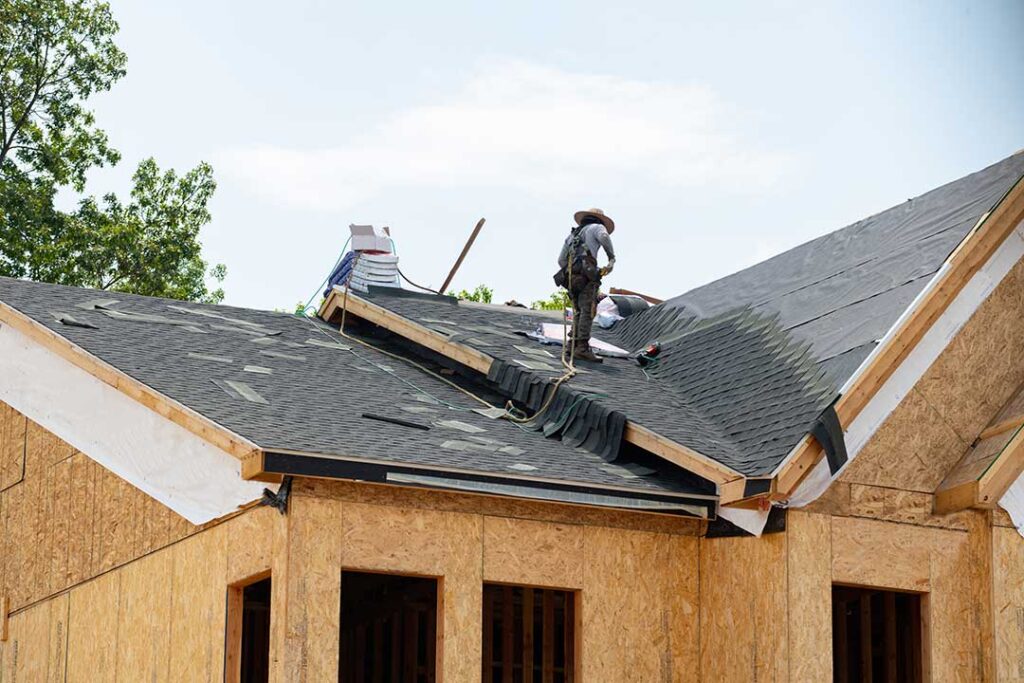
Why Is Matching Replacement Shingles So Challenging?
A successful shingle repair blends seamlessly with the original roof so patches aren't obvious, but matching new shingles to older ones is rarely straightforward. Over time, sun, rain, snow, and local weather cause shingle color and texture to change. Even if you know the original brand and color, a newly purchased bundle often looks noticeably different beside the weathered sections of an established roof.
The region’s variable climate—marked by cold winters, rainy springs, and sunny summers—accelerates color fading and granule loss. This means even a careful shingle selection in the city may stand out unless you account for weathering and manufacturer batch differences.
What Factors Affect Shingle Appearance Over Time?
In Johnson City, shingles endure freeze-thaw cycles, significant UV exposure, and seasonal humidity swings. Here's how that impacts repairs:
- Sun Exposure: Roof slopes facing south or west fade faster, creating uneven wear.
- Age: Shingles darken, lighten, or lose granules as they age, sometimes looking nothing like the original product brochure after a few years.
- Manufacturing Variations: Shingle colors often vary slightly between manufacturing runs, even with the same product code.
- Material Type: Asphalt shingles lose vibrancy over time, while architectural styles may show less change due to texture.
Local observations: Many community homes built in the same era initially had matching shingle shades, but over time, subtle differences can become pronounced, especially on visible roof patches.
How Can You Identify Your Existing Shingles?
Before purchasing replacement shingles, identifying what's currently on your roof is key. Residents often wonder if this is possible without old paperwork. Here’s how to approach it:
- Examine Your Attic or Garage: Sometimes, extra shingles are stored away and may still have original packaging.
- Look for Codes or Stamps: Check the underside of a loose shingle for manufacturer codes.
- Compare to a Sample: Take a shingle or a clear photo to a local home improvement store to compare with available in-stock colors and styles.
- Ask Neighbors: Homes in the city built around the same period sometimes use the same roofing products, which can offer clues.
Without original purchase records, it may take patience to find a sufficiently close match—especially if the original line is discontinued.
What Steps Help Achieve the Closest Shingle Match?
The best approach is methodical rather than rushed. Here’s a step-by-step local guide:
1. Gather a Sample: Carefully remove a damaged shingle, if possible, to show at stores for side-by-side comparison.
2. Visit Local Distributors: Lighting in the store can differ from your roof’s natural light. Bring the sample outside to compare in daylight.
3. Request Multiple Samples: If the match is critical, check several shingle samples, not just the brand you think was originally used.
4. Consider Larger Patches: For highly visible areas, replacing a larger section from ridge to eave, even if not all shingles are damaged, can help hide slight mismatches.
5. Blend New with Old: Place replacement shingles in areas already somewhat patchy or hidden rather than in prominent sections.
Residents sometimes share that patience and a willingness to mix and match from different store batches yields better results than settling for the first color match.
Do Weathered or Off-Color Patches Reduce Roof Performance?
Cosmetic issues from mismatched shingles do not affect weatherproofing if installed correctly. However, water damage, leaks, and improper sealing around repaired areas can cause further shingle loss or interior issues—especially during heavy spring or summer storms typical in the area.
If you suspect the damage may involve underlayment, decking, or widespread sections, take extra care to ensure all layers are sound before selecting new shingles. In some seasons, especially late fall, plan repairs for dry days to give adhesives time to set and reduce the chance of wind lift while shingles are fresh.
What Are Common Mistakes to Avoid When Matching Replacement Shingles?
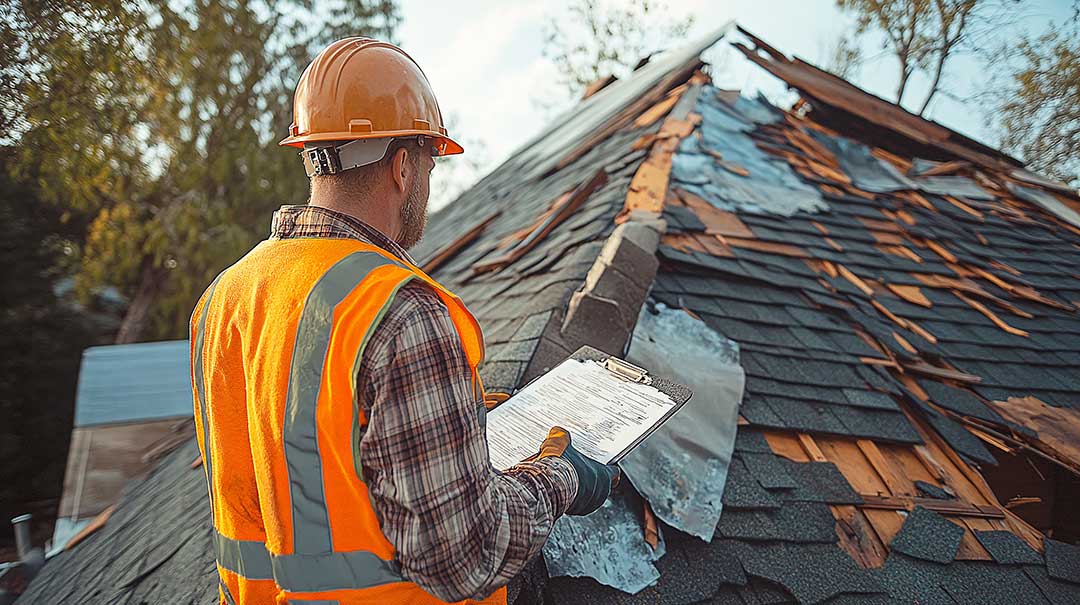
Several pitfalls can make shingle repairs more conspicuous or less durable:
- Ignoring Batch Codes: Buying all new shingles from the same batch, if possible, reduces color differences.
- Overlooking Texture: Even if color is close, mismatched thickness or profile can be visible from the curb.
- Rushing in Wet Conditions: Installing when damp can impact how replacement shingles seal and age.
- Underestimating Sun Fading: A perfect match today may look different next season after local sun exposure.
Residents have shared that checking shingle samples in cloudy and sunny conditions on the roof itself yields the most realistic results.
How Should You Prioritize Appearance vs. Protection?
Some local households decide that a slightly mismatched but high-quality repair is preferable to putting off necessary work. Ensuring a dry, secure roof should always outweigh appearance concerns, especially with the risk of storms or heavy winter snow common in the area.
For those aiming for perfect visual consistency, consider whether the affected area is easily visible from the street or yard. Repairs on less conspicuous slopes or behind dormers often blend in better regardless of perfect matching.
Are There Alternatives If an Exact Match Isn’t Possible?
Sometimes, a perfect match simply can’t be achieved due to discontinued products or advanced wear. Options include:
- Re-shingle a Whole Section: Replacing from ridge to edge creates a uniform patch, making intentional contrast less obvious than a small, out-of-place patch.
- Roof Feature Integration: Use new shingles on an entire dormer or connecting low roof, so lines look purposeful.
- Wait for Blending: Over months, new shingles may weather and start to blend naturally, especially if the surrounding roof is still in good condition.
Neighbors may not even notice small mismatches, especially after the first year’s weathering, as the entire roof continues to age and change.
