
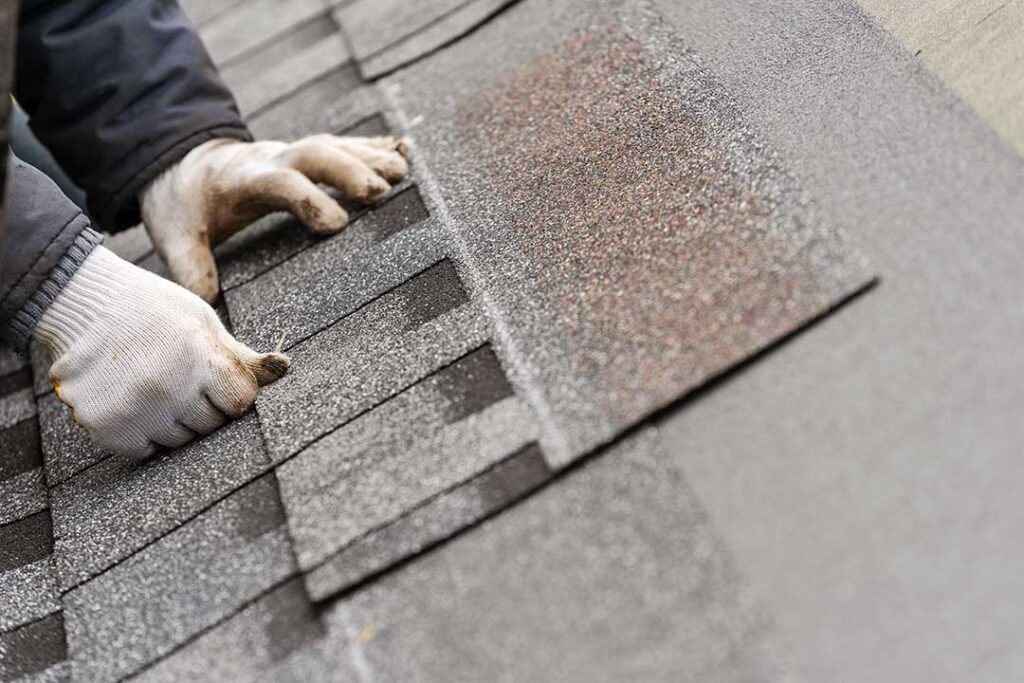
Before leaving home for a trip, a few roof-related checks can help reduce the chance of leaks, ice damage, wind problems, or unnoticed maintenance issues. For households in Johnson City, NY, vacation preparation should account for changing weather, heavy rain, strong winds, freezing temperatures, and snow that may arrive while the house is unoccupied.
A roof does not need to be in obvious disrepair to develop trouble while a homeowner is away. Small defects, clogged drainage, loose outdoor equipment, and unattended interior leaks can become more serious when no one is present to notice them.
What should be checked on the roof before leaving?
The roof should be inspected from the ground first, followed by a limited close-up inspection only if it can be done safely. Look for visible damage, loose materials, blocked drainage, and conditions that could allow water to enter during a storm.
From the ground, check for:
- Missing, cracked, curled, or visibly lifted shingles
- Loose or damaged metal flashing around chimneys, vents, and roof edges
- Sagging areas along the roofline
- Debris collecting in valleys or near roof penetrations
- Dark stains or algae-like growth that may indicate prolonged moisture
- Damaged soffits, fascia, or trim
- Gutters that appear loose or separated from the roof edge
A roof inspection should not involve walking on steep, wet, icy, or unfamiliar surfaces. Asphalt shingles can become slippery, and hidden weak areas may not be visible from above. If a problem cannot be safely evaluated from the ground, it is better to arrange a qualified inspection before departure rather than take a fall risk.
Why do gutters matter before a vacation?
Gutters and downspouts direct roof runoff away from walls, windows, foundations, and entry areas. If they are blocked by leaves, twigs, or compacted debris, heavy rain can spill over the edges and create water problems while the home is empty.
Before leaving:
- Remove visible debris from gutters if the work can be completed safely.
- Confirm that downspouts are connected and directing water away from the foundation.
- Check that extensions have not shifted or become buried.
- Look for standing water, rusted sections, separated seams, or sagging runs.
- Make sure nearby tree branches are not dropping leaves directly into the drainage system.
In neighborhoods with mature trees, a gutter that was clear at the start of a trip may become obstructed after one windy day. For longer absences during autumn, arranging for someone to check the drainage system can be useful, especially after storms.
How should the roof be prepared for winter travel?
If a vacation falls during freezing weather, snow, or an extended cold period, the main concern is preventing water entry and avoiding conditions that worsen under repeated freezing and thawing.
Check that:
- Attic insulation is not blocking soffit ventilation.
- Bathroom and kitchen exhaust fans vent outdoors rather than into the attic.
- Roof vents are not covered by leaves, snow, or stored materials.
- Ice-prone roof edges are free of obvious drainage obstructions.
- The attic does not show wet insulation, frost, mold-like growth, or dark staining.
- Interior ceilings below the roof have no new discoloration.
Ice dams can form when heat escapes into the attic and melts snow on the upper roof. The water may refreeze near colder eaves and back up beneath roofing materials. Good attic insulation, air sealing, and ventilation help reduce the conditions that contribute to ice dams, but they do not guarantee that ice will not form during a severe winter event.
Homeowners should not chip ice from roof edges with tools. That can damage shingles, flashing, gutters, and the roof surface while creating a falling-ice hazard.
What should be done about snow and strong winds?
Snow and wind can affect the roof differently. Snow adds weight, while wind can loosen shingles, flashing, vent covers, and outdoor equipment. A roof that appears normal before departure may need attention after a storm.
Before leaving, secure or store items that could strike the roof, including:
- Patio furniture
- Lightweight decorations
- Ladders
- Seasonal equipment
- Loose branches or yard materials
Do not rely on rooftop snow removal unless there is a clear safety reason and the work can be performed without climbing onto an unsafe surface. Snow should not be shoveled from a roof by an untrained homeowner. Uneven removal can damage roofing materials or create unbalanced loading, and falling snow may injure people below.
If heavy snow or high winds occur during the trip, a trusted person should be able to observe the property from the ground and report obvious changes, such as a sagging roofline, fallen tree limb, missing shingles, or damaged gutters.
Should the attic and upper floors be checked before departure?
Yes. A roof problem often becomes visible indoors before it can be clearly identified from outside. Check ceilings, upper-floor walls, attic framing, and insulation for signs of moisture.
Warning signs include:
- Brown or yellow ceiling stains
- Peeling paint near the ceiling
- Damp insulation
- Musty odors
- Water marks around chimneys, skylights, vents, or roof-wall intersections
- Dripping sounds during rain
- Daylight visible through areas that should be enclosed

A dry stain does not always mean the problem is inactive. It may reflect an earlier leak that has returned only during certain wind directions or rainfall patterns. Any active dripping, sagging ceiling, or visibly wet electrical area should be treated as an urgent safety concern before leaving the home.
How can plumbing and indoor temperature affect the roof?
Roof preparation is connected to the rest of the house. A frozen or burst plumbing line can cause major interior damage that may be mistaken for a roof leak, particularly near upper floors or attic spaces.
During cold-weather travel:
- Keep the home heated to a temperature suitable for the building and local conditions.
- Protect exposed pipes according to the home’s design.
- Consider shutting off the main water supply if appropriate for the household and heating system.
- Do not turn off heat without understanding the risk to plumbing, sprinkler systems, appliances, and stored materials.
- Ask a trusted person to check the home after severe cold or power interruptions.
If the heating system fails, indoor temperatures can fall quickly. A remote temperature alert or regular in-person check may reveal trouble before frozen pipes or condensation damage spread through the house.
What should a house sitter know about the roof?
A house sitter does not need to climb onto the roof. Clear instructions should focus on observation and early reporting.
Provide the person checking the home with:
- The location of the main water shutoff
- Instructions for noticing ceiling stains or dripping water
- A way to report fallen branches or visible roof damage
- Permission to photograph unusual conditions
- Guidance on who should be contacted in an emergency
- Information about any existing roof issue that could be mistaken for new damage
After heavy rain, the person can look for water near attic access points, upper-floor ceilings, windows, and exterior walls. After high winds, they can check the ground for fallen roofing pieces without entering unsafe areas.
What should be documented before leaving?
Photographs can make it easier to identify whether damage occurred during the trip. Take clear pictures of roof edges, gutters, downspouts, visible flashing, skylights, chimneys, and any existing blemishes.
Keep a short record of:
- The date of the inspection
- Existing stains or repairs
- Gutter and downspout conditions
- Any areas that need monitoring
- Recent weather-related concerns
This information can be useful for comparing conditions after returning home. If a leak appears, note when it was first discovered, whether rain or snow occurred, and which rooms or roof areas are affected.
What should be checked after returning?
Walk around the property before unpacking. Look for new branches, loose roofing materials, overflowing gutters, damaged vents, and signs of water entry. Inside, inspect ceilings, attic areas, and upper-floor walls.
Do not assume a roof is undamaged because no water is visible indoors. Wind can loosen materials without causing an immediate leak, and water may remain hidden until the next storm. Any sagging area, active leak, exposed underlayment, large missing section, or damage near electrical wiring requires prompt attention and should not be approached unsafely.
Preparing a roof for vacation is mainly a matter of removing preventable hazards, confirming that water can drain properly, checking for early warning signs, and arranging responsible observation during the absence. These steps are especially useful during the region’s transition between rainy autumn weather, freezing conditions, and snow-producing winter storms.
