
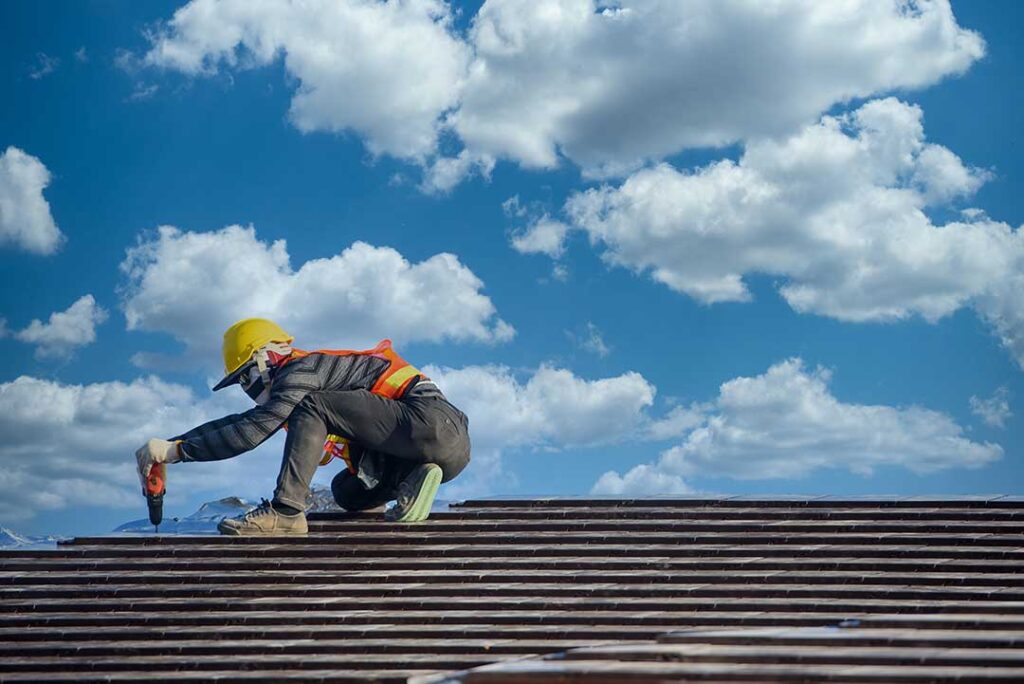
What Are the Most Frequent Roofing Repair Mistakes Seen in Johnson City, NY?
Many local homeowners attempt to fix roof problems themselves or rely on quick fixes that don’t last. The most common errors revolve around using the wrong materials, poor weather timing, and not addressing the root cause of leaks or damage. Johnson City’s climate—with heavy snowfalls, freeze-thaw cycles, and brisk winds—exposes these issues quickly.
Some frequent missteps include:
- Patching leaks with incompatible materials (like using generic caulk on asphalt shingles)
- Applying new shingles over old, damaged ones instead of replacing them
- Replacing shingles without checking for underlying wood rot or moisture problems
Each mistake can lead to bigger problems, not just cosmetic issues. For example, using poor-quality sealants may appear to solve a leak after a rainstorm, but during the next freeze, those repairs may crack or peel away.
Why Is Timing So Important for Roof Repairs?
Attempting roof repairs during the wrong season, especially during or right after snow, rain, or wind events common in the city, will almost always result in poor-quality repairs. Local weather strongly affects how well roofing materials adhere and cure.
Ice and snow lingering on the roof can hide damaged areas, and colder temperatures affect everything from shingle flexibility to how adhesives bond. In Johnson City, homeowners sometimes tackle repairs just before (or after) major storms, thinking it’s urgent, but wet or freezing conditions can prevent materials from sealing correctly. This means repairs may only be temporary, leading to repeat issues.
How Can Improper Fastener Use Cause Bigger Problems?
Poor nailing or fastening techniques are a hidden source of roof trouble in the community. Roofing nails placed incorrectly—even just slightly off position—fail to anchor shingles securely. Local homes with older roofs are especially at risk because wood decks or panels beneath might already be weakened by prior leaks or rot.
Common fastener-related issues include:
- Nails driven at an angle instead of flat
- Insufficient or excessive nail spacing
- Using the wrong type or size of nail for local shingle types
All of these may result in loose, curling, or even missing shingles after a windy night—a frequent occurrence, especially in exposed neighborhoods of Johnson City.
Do Temporary Repairs Actually Cause More Harm?
Temporary repairs are tempting, particularly when a leak shows up suddenly over a living area or attic. Some residents use roof cement, tarps, or even household tape for quick fixes. While this may stop a drip short-term, it creates other risks:
- Trapped moisture can lead to mold or rot in wooden roof decking
- Tarps and temporary sealants often blow off or fail during the next windstorm
- Covering up leaks without fixing the underlying source hides structural damage that grows worse over time
In the city’s humid summers and wet springs, lingering moisture beneath a “patched” roof section can quickly become a breeding ground for mold, affecting air quality and home value.
Why Do Many DIY Repairs Miss Ventilation Issues?
Proper attic and roof ventilation prevents ice dams, premature shingle deterioration, and moisture buildup. Residents eager to re-shingle or patch leaks often overlook vent-related problems, especially if the roof “looks fine” from the outside.
A common oversight is obstructed or incorrectly placed ventilation openings. Insufficient ventilation is especially noticeable in Johnson City during periods of heavy snow followed by sunny days; inadequate airflow causes ice dams to form. This can lead to hidden leaks as melting water works under the shingles, far from where the initial repair was attempted.
Key mistakes related to ventilation:
- Covering roof vents with new shingles
- Forgetting to clear soffit or ridge vents of debris or insulation
- Not accounting for local humidity and precipitation patterns that affect attic moisture
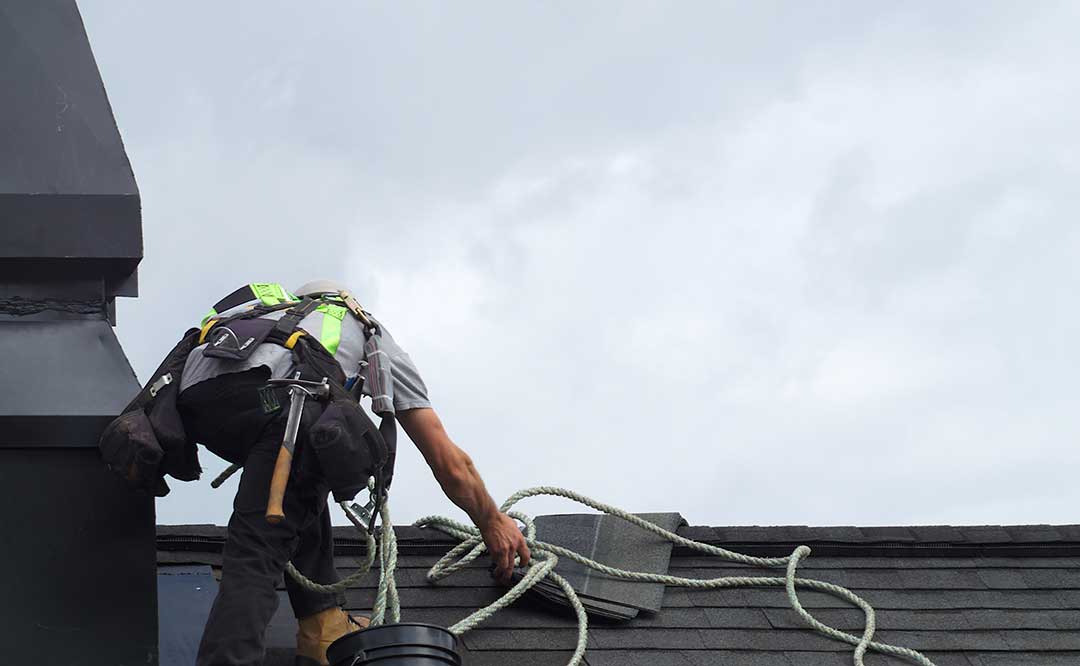
How Does Mismatched Material Choice Lead to Ongoing Issues?
Roofs in Johnson City, particularly in historic neighborhoods or houses with previous repairs, may have a mixture of shingle types and underlayment materials. Choosing the wrong replacement shingle or patching with leftover materials from past work often leads to premature failures.
Examples of mismatched materials:
- Installing modern fiberglass shingles next to traditional organic asphalt shingles
- Using standard nails instead of corrosion-resistant fasteners
- Mixing new flashing with older metal, leading to galvanic corrosion
These combinations can create weak spots susceptible to water intrusion, dramatic temperature swings, and early deterioration—and are a common cause for leaks that seem to move or reappear in different areas each season.
What Are Common Misconceptions About “Small” Leaks or Damaged Shingles?
Many homeowners postpone roofing repairs after seeing only a small spot on the ceiling or a few missing shingles, thinking they can “wait until spring” or “patch it when the weather is nicer.” In Johnson City, small leaks can rapidly worsen. Water can travel several feet before it appears inside, and by then, the damage underneath the roof surface may be substantial.
Ignoring minor damage can lead to:
- Larger water stains or spreading leaks indoors
- Formation of ice dams from hidden moisture in winter
- Spreading rot or mold that affects more of the roof’s structure
Addressing minor issues promptly—while making sure to actually resolve the root problem—saves time and expense over the long term.
When Should Safety and Local Code Compliance Be a Priority?
Some repairs are risky or may be subject to local regulations, especially when they involve structural changes, major replacements, or work near electrical installations. Homeowners in Johnson City should be careful not to disregard safety:
- Working on steep or icy surfaces can result in falls or injury
- Failing to follow local code requirements for underlayment, flashing, or ventilation can impact property insurance or lead to required re-dos during a sale
- DIY electrical work near roof installations—such as around attic fans—should be approached with special caution
For roof work that goes beyond superficial repairs, area residents should always confirm local building guidelines and prioritize personal safety.
